One-size-fits-all Smartphone Fixture

What the Customer Wanted

  1. To run functionality tests on refurbished smartphones using our MATT robot.
  2. Fit multiple fixtures on the same platform and run functionality tests in parallel.
  3. Functionality tests should consider the cameras, speakers, screen, side buttons and haptics.

What We Delivered

Our smart fixtures were designed to be operated single-handedly and quickly, reducing setup time to less than 7 seconds per device.

The fixtures were robust enough to withstand multiple weeks of testing yet modular enough to allow for a quick swapping of worn parts.

We aimed to primarily accomodate the iPhone lineup but extended to some newer Samsung devices too.
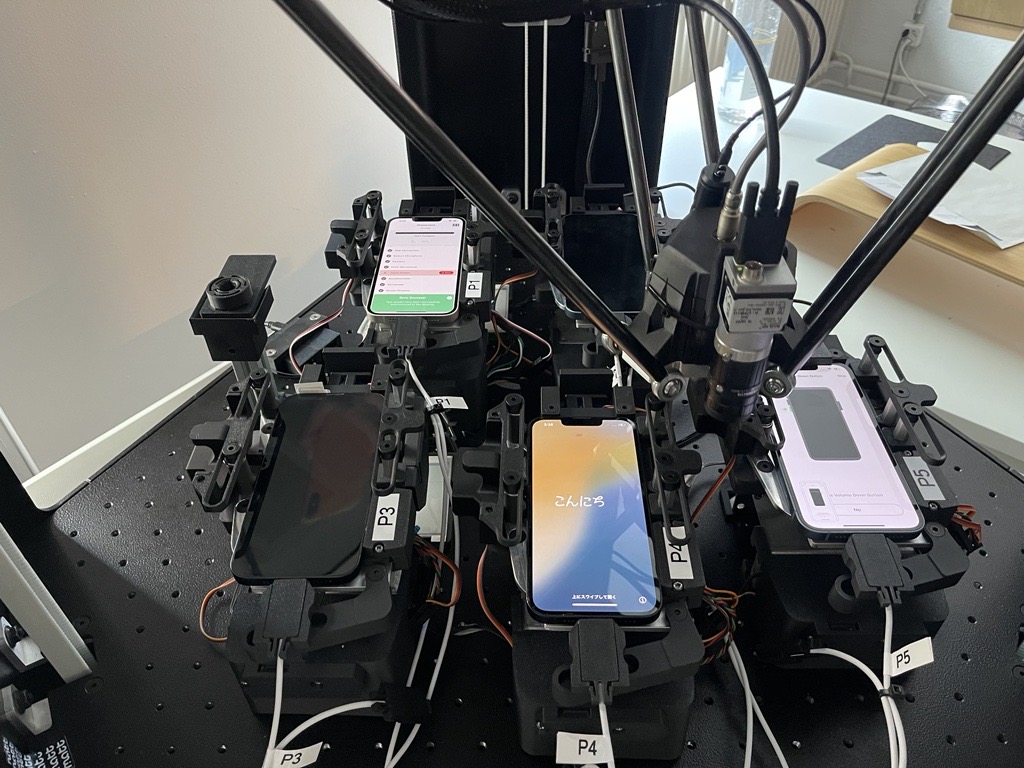
A MATT Extended delta robot with five Omnicradle fixtures.

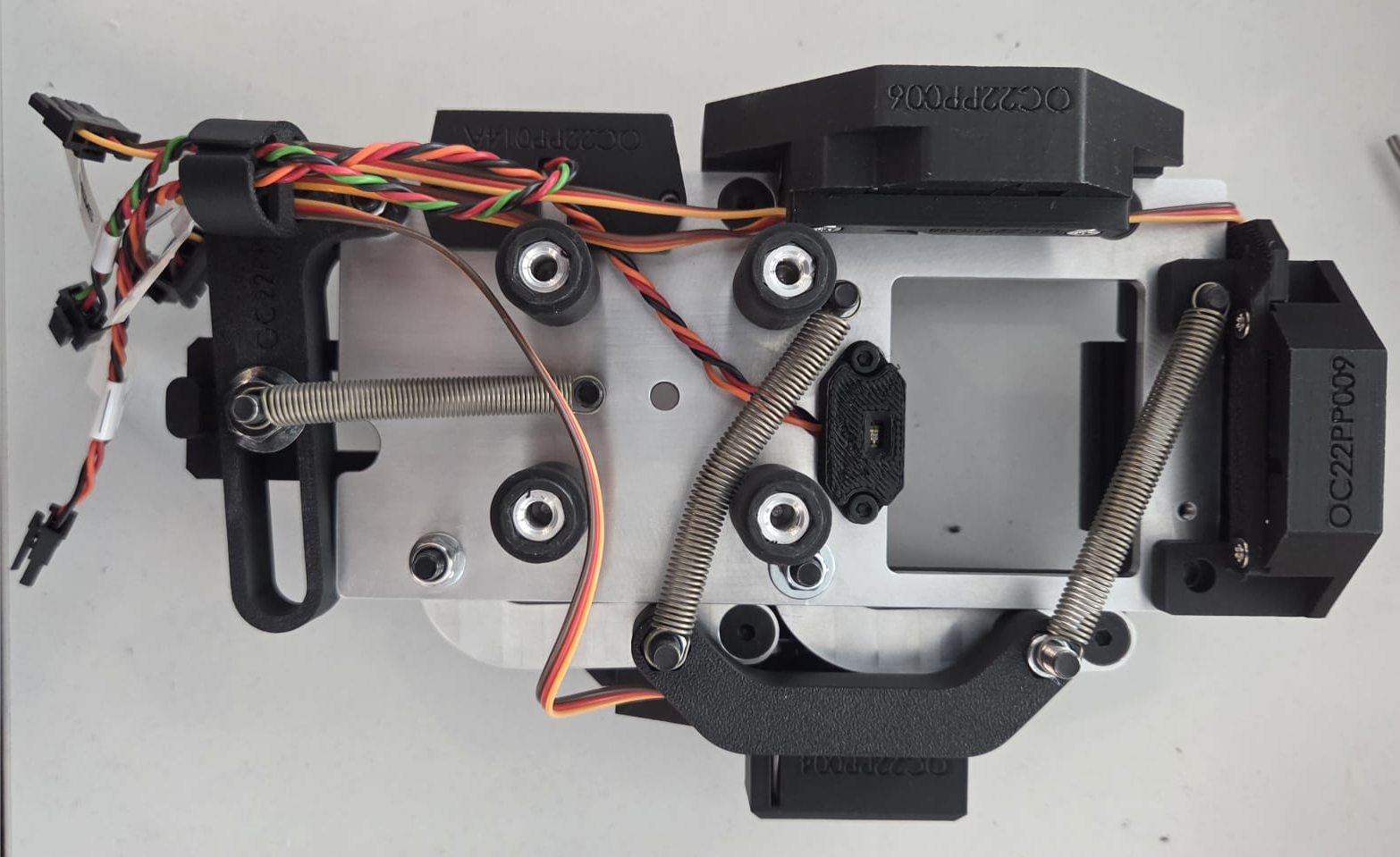
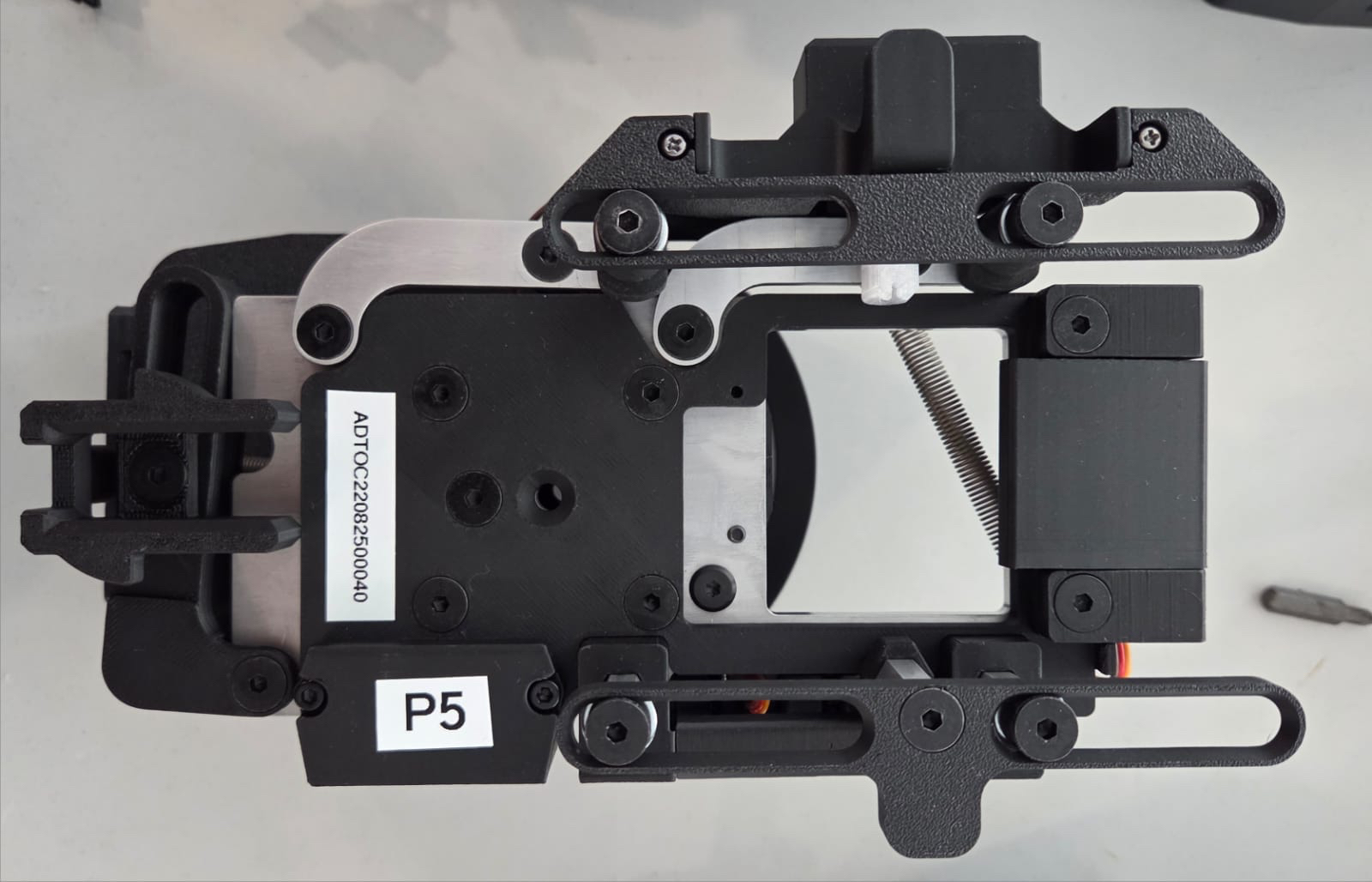
The phone is squeezed between a cable holder and two sets of servo-actuated sliding rails that access the side buttons.

The squeezing mechanism is composed of two linear tension springs and a four-bar-linkage.

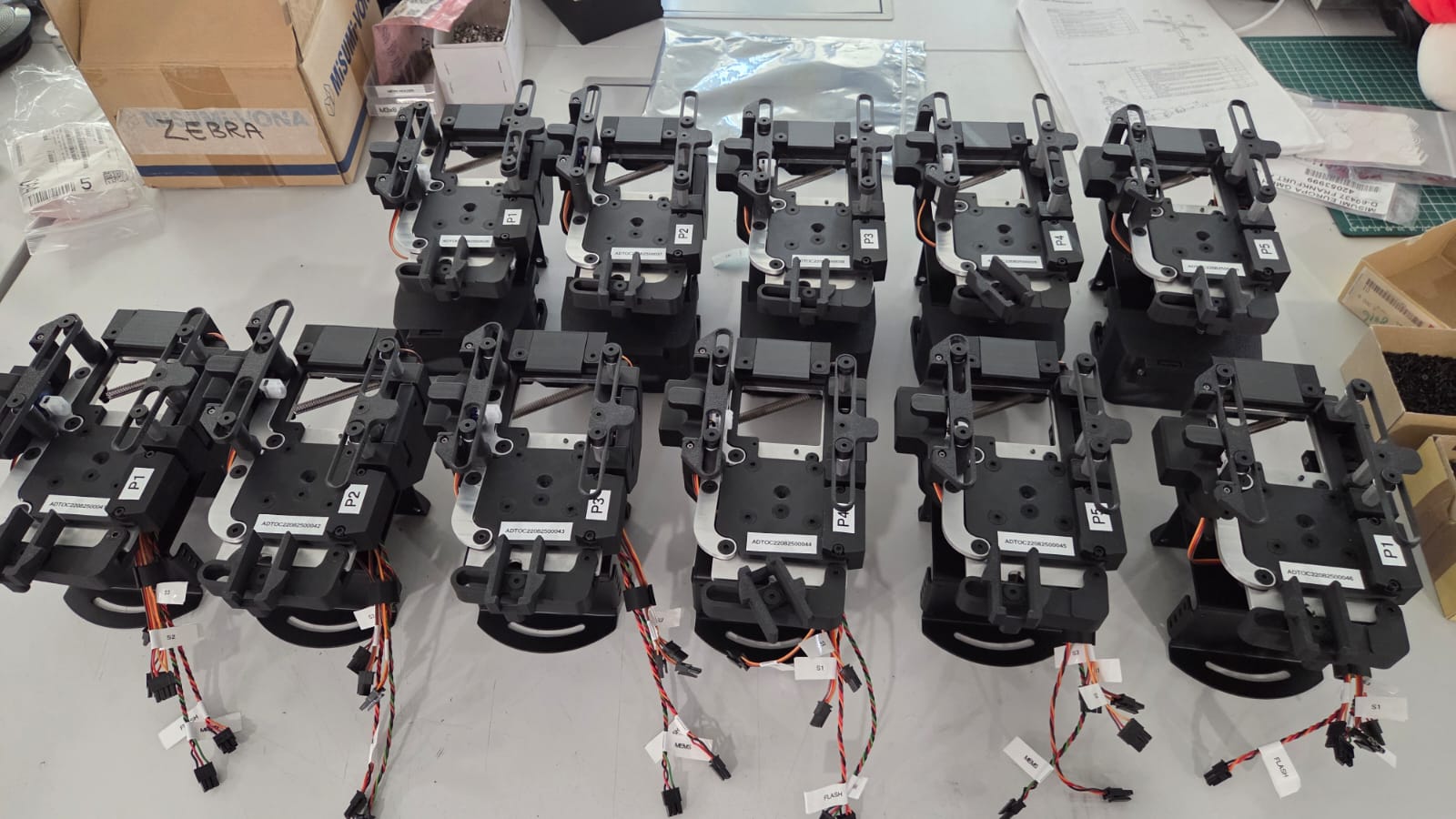
Assembling a dozen units at a time required careful process planning and stock management.

What worked and what didn't

Thanks to the power of FDM 3D printing, I was able to iterate through dozens of designs before converging to a dependable one.

The most challenging sub-module was responsible for actuating the mute switch on iPhones. It needed to be confined in a tight space and be dependable enough not to cause false positives during tesing. Compliant mechanisms were explored in depth but they proved to be inadequate in an industrial environment.
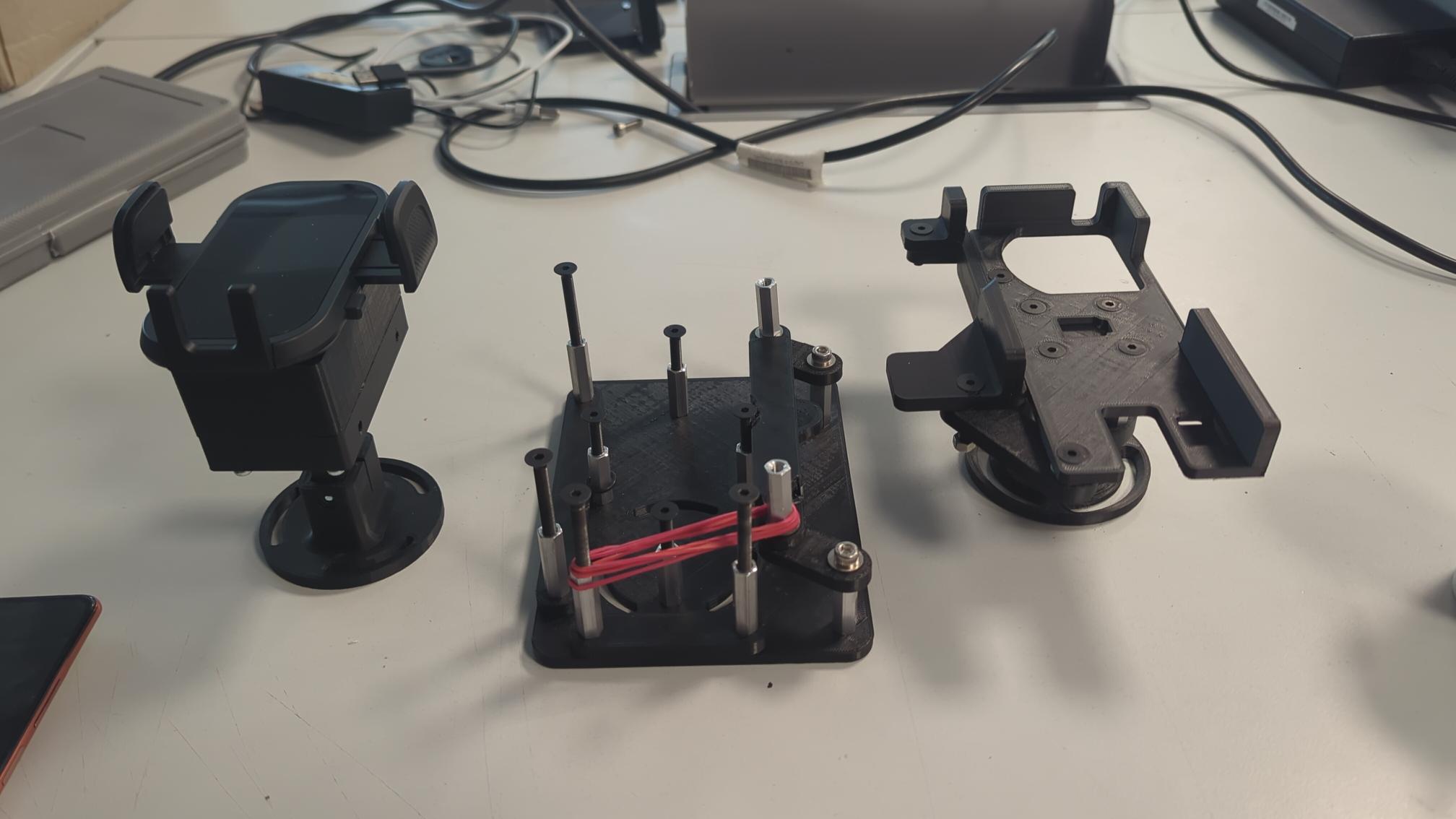
Lineup of initial cradle geometries that failed.

What was documentated

To confront the inevitability of miscommunication, I also prepared documentation on how to assemble the mechanical components and electrical wiring.

All part markings corresponded to their ID in the bill of materials. This helped reference their version information as well as material composition and variant number.
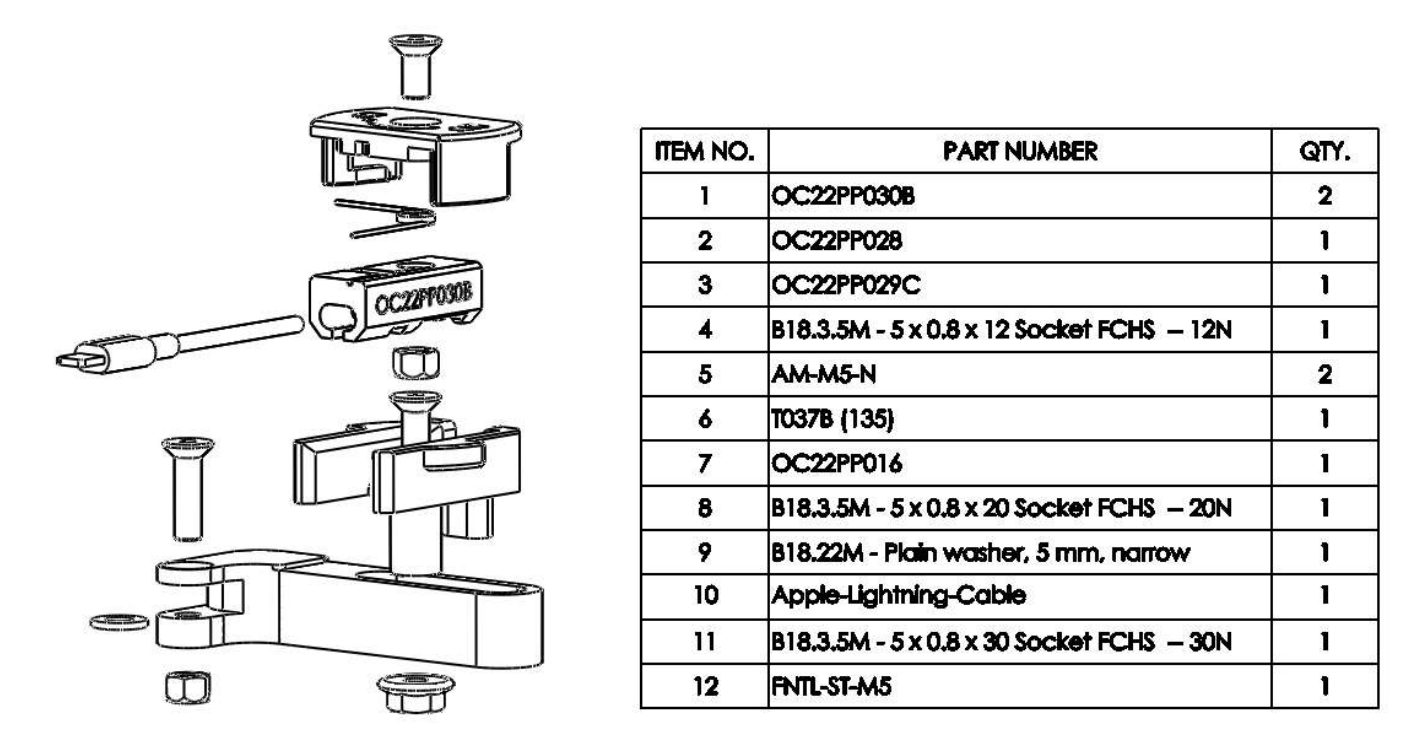
Heavy use of exploded views for a LEGO-style assembly guide.

Insulin Pump Cartridge Simulator

Design Requirements

  • Simulate the viscoelastic reaction force of an insulin cartridge while the insulin pump is running.
  • Actuation in a range of 5 cm with a resolution of 10 microns and a maximum force of 30 Newtons.
  • Run continuously for a few days on-end without losing pressure.

Structural Elements

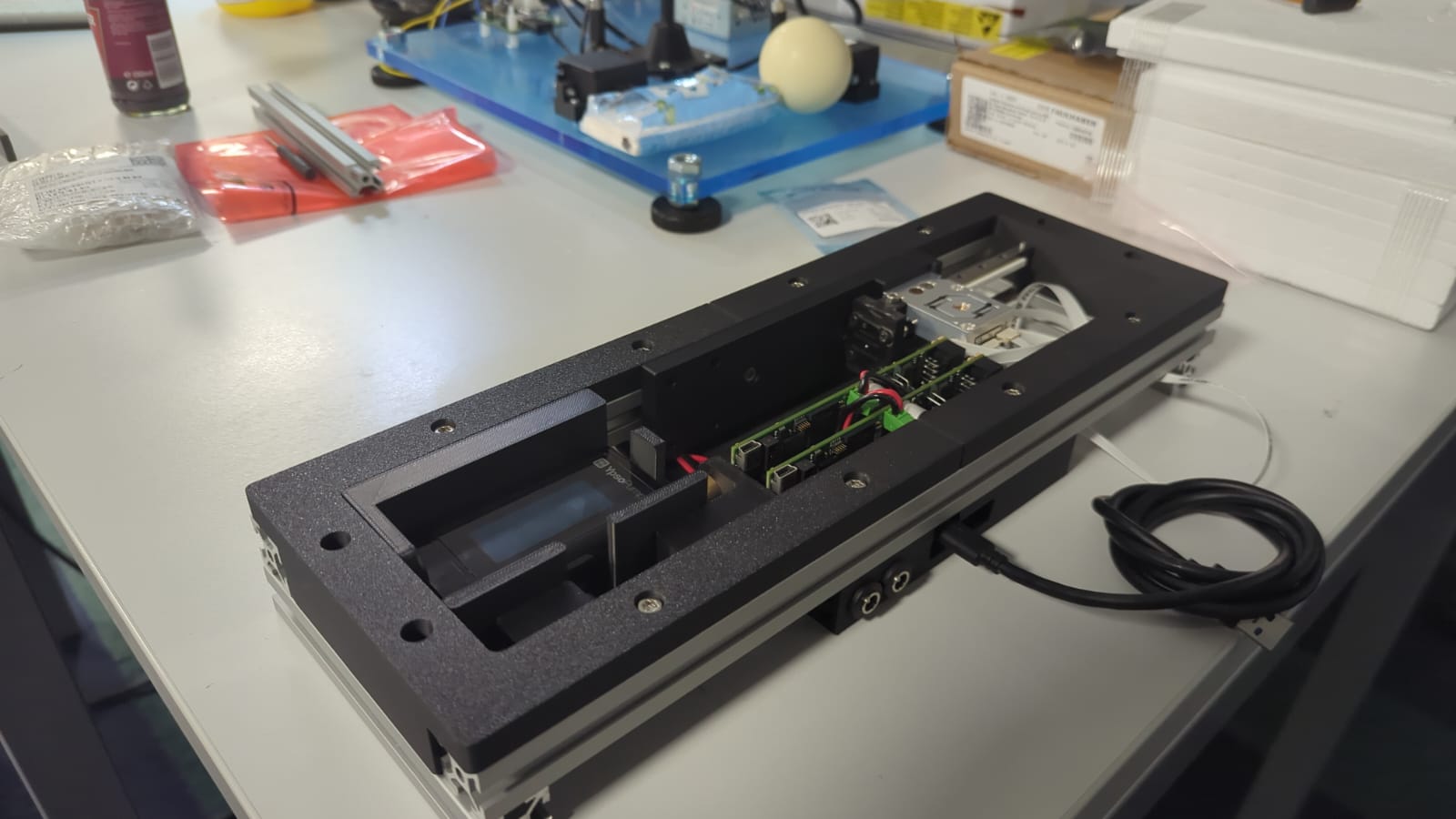
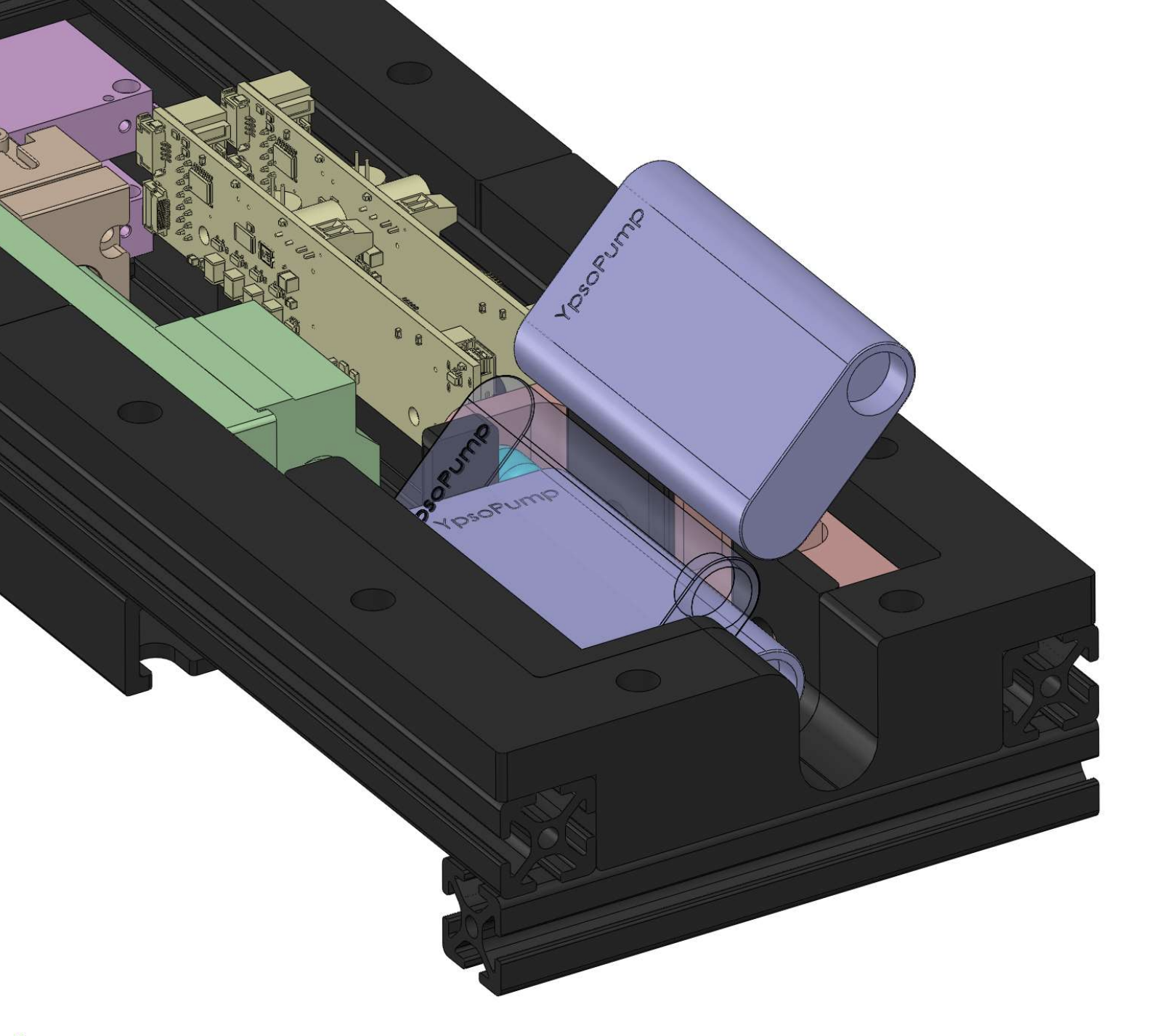
We used two linear piezoelectric motors in parallel to push on a rod that plunged into the insulin pump in place of the cartridge. Force feedback was established by placing a load cell in-between the rod and the motor shafts.

The structure is comprised of aluminum rails fitted with 3D-printed PCB rafts and safety panels. An aluminum plate constrains the two motors and the linear bearing to ensure proper alignment with the rod.

The insulin pump can be slid into the holder with ease.

Control Strategy

Piezoelectric motors are tough to control when they are coupled together because of the tight tolerances required. Nanometer-scale resolution implies a sensitivity to nanometer-level misalignment! Therefore, we used compliance in our design to avoid over-constraining the assembly.

Furthermore, the load cell was preloaded by a spring mechanism to avoid backlash in the force feedback signal.

.

Designing a Cheaper MATT Robot

How it started

  • The current MATT robots were made from bent sheet metal which was expensive and relied on experienced manual labor.
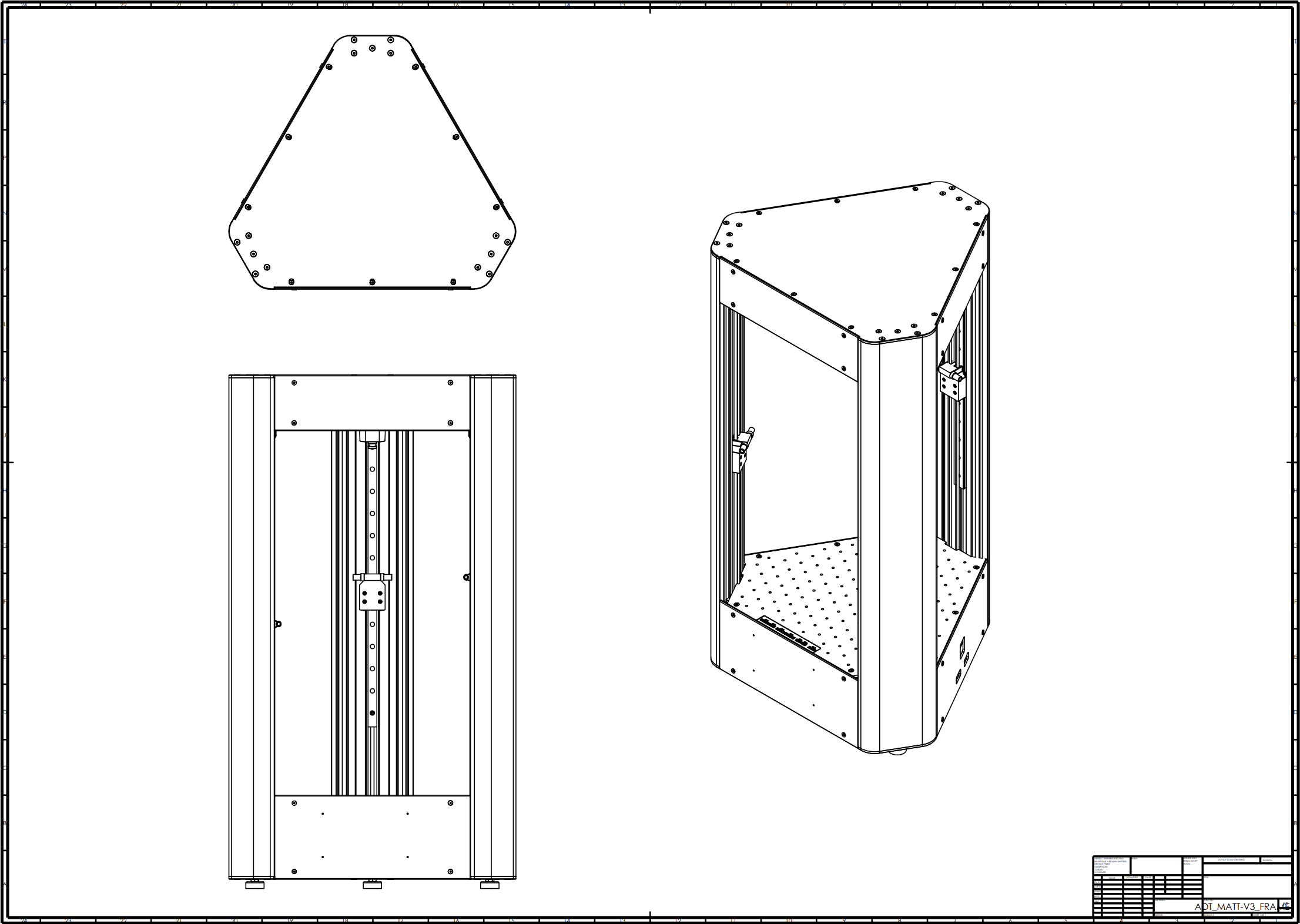
  • I proposed to base the design around flat metal sheets and extruded aluminum posts instead.
  • The same aesthetics and geometry needed to be preserved while the reduction in cost of production needed to be great enough to be considered in our low volume production setting.

Designing a custom AL Extrusion

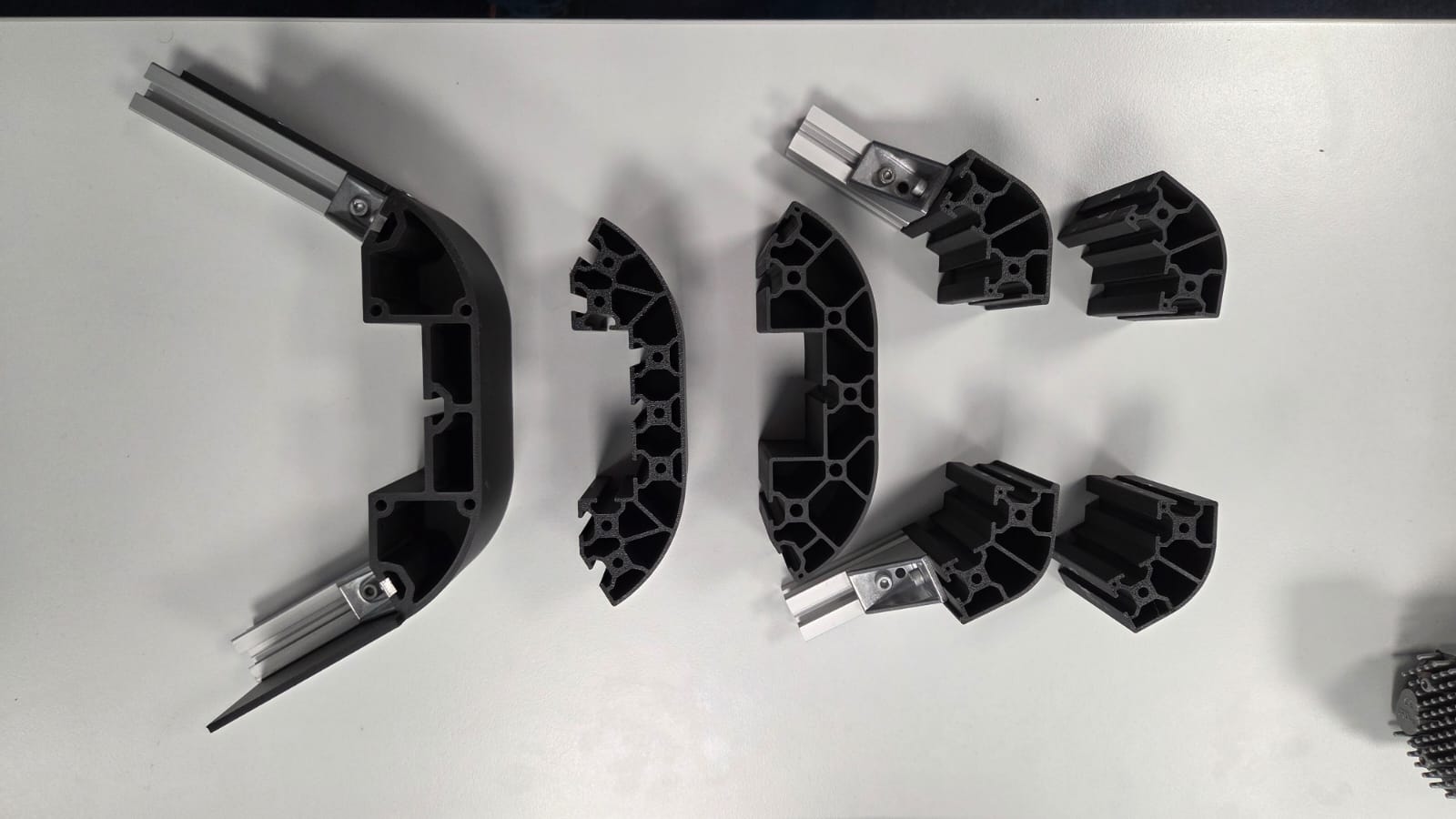
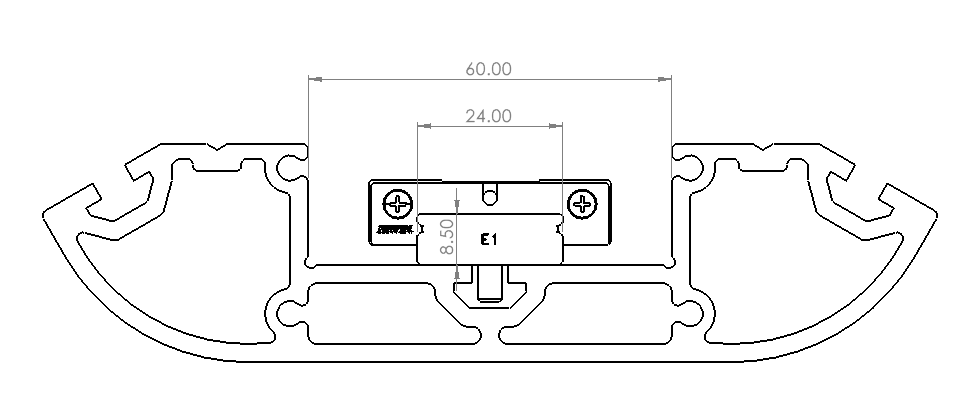
The name of the game is to simplify the geometry such as to have the minimal number of cores, a small number of tight-tolerance faces, and preferrably no sharp angles.

Extensive work was done to prepare the design for manufacturing, and this involved collaborating with aluminum manufacturers in Europe to find a low-volume solution adaptable to our prototyping needs.

The multiple iterations on the 60-degree corner extrusion.

Final extrusion geometry to be manufactured.

Validating against every other machine component to ensure a proper final assembly.

Results

We managed to halve the bill of materials both in terms of part number and overall cost, having more potential savings with increased volume.